Plumbing
Water Heater Repair
Not every failed water heater needs replacing — but some are not worth repairing.
Not every failed water heater needs replacing — but some are not worth repairing.
Quick answer: Water-heater repair begins with diagnosis of the loss of hot water or leak so repair and replacement can be compared against the condition of the unit. Licensed plumbing subcontractors perform the plumbing work and pull their own required trade permits. Southeastern Renovation coordinates the project in the Charleston Lowcountry and York County, South Carolina. Call (843) 718-8177 to discuss the property and scope.
Plan the scope: Charleston plumbing cost guide · York County cost guide · What to check before hiring a plumber.
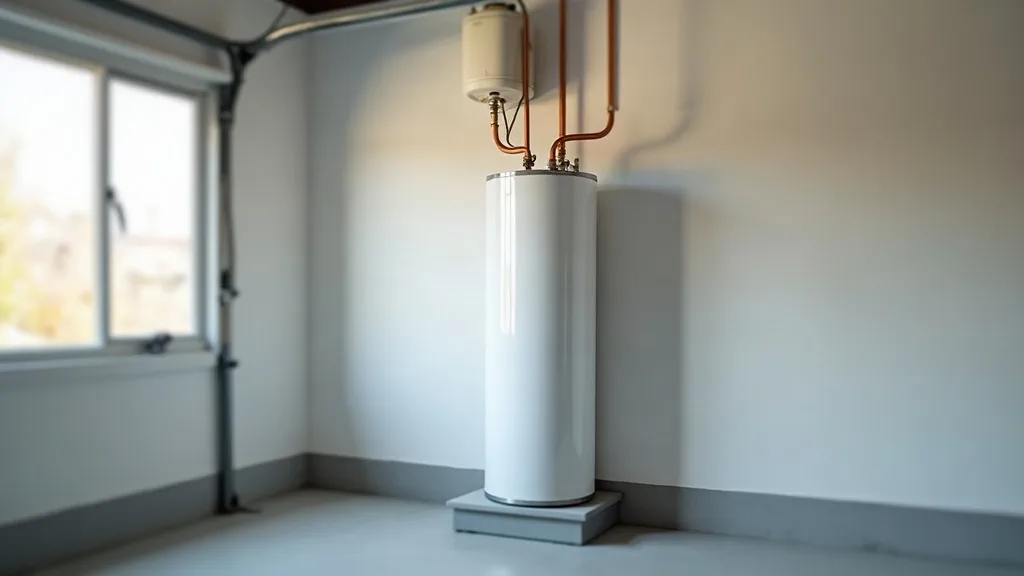
The distinction that matters is where the water is coming from. A leak at a fitting, the temperature-and-pressure valve or the drain valve is a repair. A leak from the tank body itself is not — once the glass lining fails and the steel begins to corrode through, there is no repair, and continuing to run it risks a full tank release onto the floor.
One correction worth making, because the two largest plumbing companies in this market publish opposite answers and both are wrong. Charleston water is soft. Charleston Water System’s own published figure is 58.4 parts per million, or 3.4 grains per gallon, which CWS itself describes as moderately soft. So scale is not what kills water heaters here, and a softener is usually unnecessary.
The anode rod matters more than most homeowners are told. It is a sacrificial rod that corrodes so the tank does not, and once it is consumed the tank starts. Checking and replacing it is cheap; discovering it years late is not — and it is almost never on anyone’s maintenance list.
Serving Charleston, Mount Pleasant, North Charleston, Summerville, Goose Creek, James Island, West Ashley, Isle of Palms, Moncks Corner, Hanahan, Ladson, Daniel Island, Johns Island, Park West, Seabrook Island, Kiawah Island, Edisto Island, Folly Beach, Ravenel, Rock Hill, Fort Mill, Tega Cay, Lake Wylie, Clover, York, Indian Land across the Charleston Lowcountry and York County, South Carolina. Part of Plumbing.
Ask for the diagnosed fault, proposed repair scope and any limitations of retaining the existing unit. If replacement is recommended, request an explanation and a complete installation quote. Our repair-versus-replacement checklist covers capacity, access, surrounding components, permits and warranty questions. If you are considering a different system, also review the tankless assessment questions before choosing equipment.
Age and the location of the failure decide it. A unit under about eight years old with a failed element, thermostat or thermocouple is worth repairing.
A unit past ten with a leaking tank body is not — the lining has failed and the steel is corroding, and no repair addresses that. Between those, the honest answer depends on what specifically failed.
Work upward before assuming the worst. Condensation, a weeping temperature-and-pressure valve, a loose drain valve or a failed fitting all pool in the same place and are all repairable.
Water emerging from the tank seam itself is the one that is not.
A conventional tank unit generally gives eight to twelve years. What shortens it is an anode rod nobody ever checked and sediment nobody ever flushed.
Both are maintenance items that cost very little and are almost never done.