Plumbing
Backflow Testing and Certification in Charleston, SC
An annual certification most homeowners only hear about when the notice arrives.
An annual certification most homeowners only hear about when the notice arrives.
Quick answer: If your water provider sent a backflow test notice, a registered backflow preventer (usually on an irrigation system) needs testing by a certified tester and the result filed by the deadline. A residential test usually takes under an hour; a failed assembly is normally rebuilt rather than replaced. Published Charleston examples: $40–$85 for a residential test (plumbing cost guide; not our quotes). Licensed plumbing subcontractors do the plumbing and pull their own permits; we coordinate as the SC general contractor (CLG.127339). Call (843) 718-8177.
Plan the scope: Charleston plumbing cost guide · York County cost guide · What to check before hiring a plumber.
The letter from the water utility is how most homeowners find out. It arrives with a deadline, and continued service can depend on returning a passed test, so it is worth handling rather than filing away.
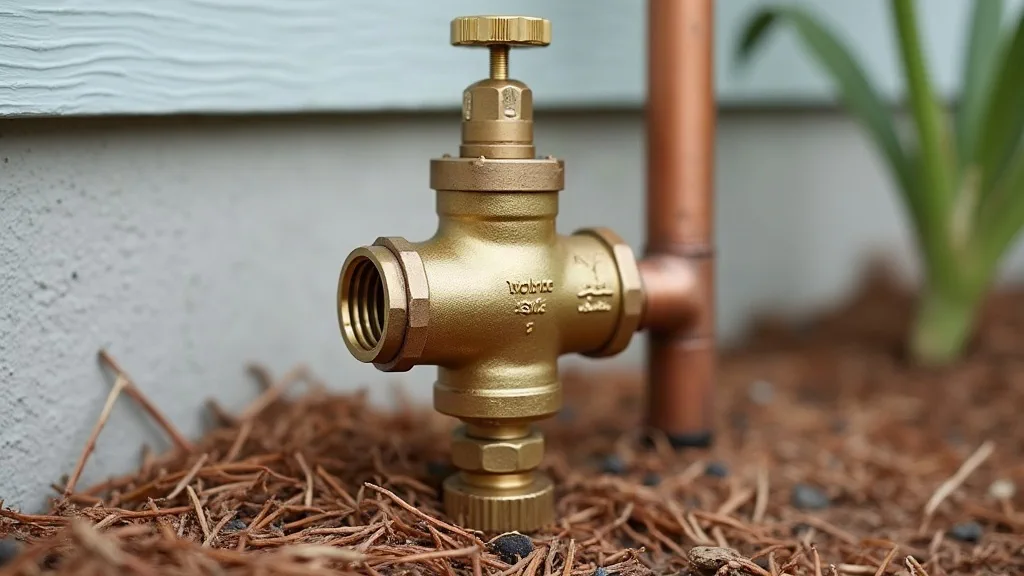
A test is short. The tester isolates the assembly, verifies that the check valves and relief valve hold at the required differential, and submits the certification. If the assembly fails, the usual outcome is a rebuild kit rather than a replacement — the brass body normally long outlives the internal seals.
We take this work across greater Charleston, from Summerville and Goose Creek to Mount Pleasant, West Ashley and the sea islands, and on the York County side around Rock Hill, Fort Mill, Tega Cay and Lake Wylie. More on our plumbing services.
Because a backflow prevention assembly is registered on your service, most often for an irrigation system, and your water provider requires periodic certification that it still works.
The requirement is theirs, the deadline is real, and service can be affected if it is ignored.
Usually under an hour for a residential assembly. The water is briefly shut off while the assembly is isolated and the valves are checked against the required pressure differential, then the certification is filed with the provider.
Most failures are internal seals and springs rather than the body, and a rebuild kit resolves them at a fraction of replacement cost.
It is retested after the rebuild and certified then. Full replacement is normally only needed where the body itself is damaged or the assembly is obsolete.