Plumbing
Sump Pumps
In a place with this water table, the pump is not optional equipment.
In a place with this water table, the pump is not optional equipment.
Quick answer: A sump-pump scope should account for the water entering the crawl space or below-grade area and where the collected water will discharge. Licensed plumbing subcontractors perform the plumbing work and pull their own required trade permits. Southeastern Renovation coordinates the project in the Charleston Lowcountry and York County, South Carolina. Call (843) 718-8177 to discuss the property and scope.
Plan the scope: Charleston plumbing cost guide · York County cost guide · What to check before hiring a plumber.
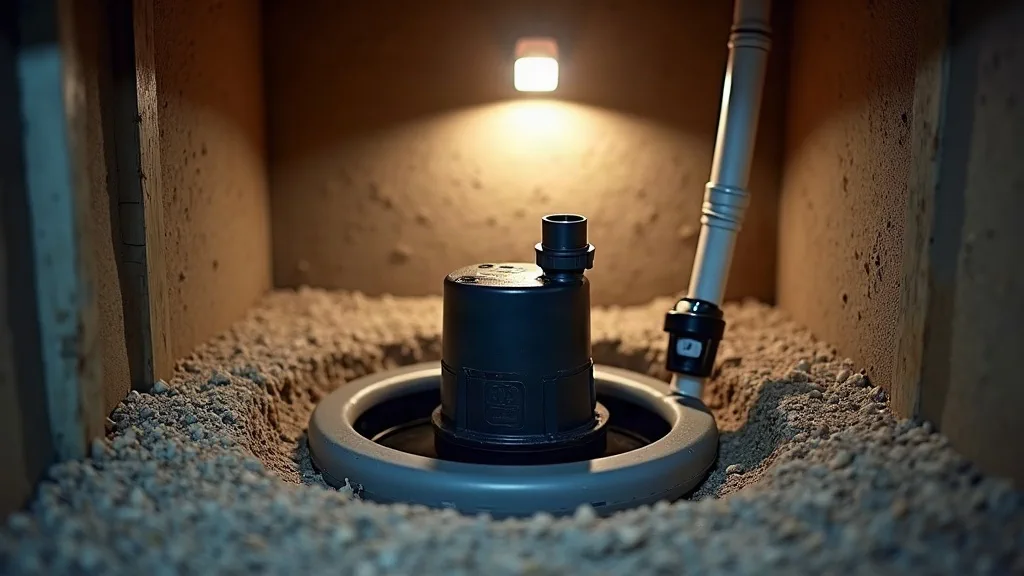
A sump system is a basin, a pump, a float switch, a check valve and a discharge line, and it can fail at any of those points. The most common failure is not the pump motor — it is a float switch fouled by debris or wedged against the basin wall, and it fails silently, discovered only when the water is already up.
Two things make a real difference here. A battery backup matters because the storms that most need the pump are the storms that take the power out. And discharge routing matters: a line that dumps against the foundation returns the same water to the same basin, which is a fault we find more often than a failed pump.
Serving Charleston, Mount Pleasant, North Charleston, Summerville, Goose Creek, James Island, West Ashley, Isle of Palms, Moncks Corner, Hanahan, Ladson, Daniel Island, Johns Island, Park West, Seabrook Island, Kiawah Island, Edisto Island, Folly Beach, Ravenel, Rock Hill, Fort Mill, Tega Cay, Lake Wylie, Clover, York, Indian Land across the Charleston Lowcountry and York County, South Carolina. Part of Plumbing.
If you have a crawl space or any below-grade area that has ever held standing water, almost certainly.
The regional water table is high and the rainfall arrives in volume, and standing water under a house drives wood rot, mould and the humidity load the HVAC system then has to fight.
Often enough that testing beforehand matters. Pour a bucket of water into the basin and confirm the pump starts, moves the water and stops.
Most failures we are called to are the float switch rather than the motor, and they are silent — nothing announces it until the water rises.
In this region, yes. The heavy rain events that make the pump essential are the same events that bring the power down, so a mains-only pump is unavailable at precisely the moment it is needed.
A backup runs the pump through the outage, which is when the basin fills fastest.