Restoration
Water Damage Restoration
Drying it properly, and finding what is still wet.
Drying it properly, and finding what is still wet.
Quick answer: Water Damage Restoration. Southeastern Renovation is a licensed South Carolina general contractor (CLG.127339) serving the Charleston Lowcountry and York County, SC. Work is coordinated by Southeastern Renovation as the general contractor. Licensed trade subcontractors handle work requiring their trade credentials; permit responsibilities depend on the project scope and jurisdiction. Call (843) 718-8177 for an estimate.
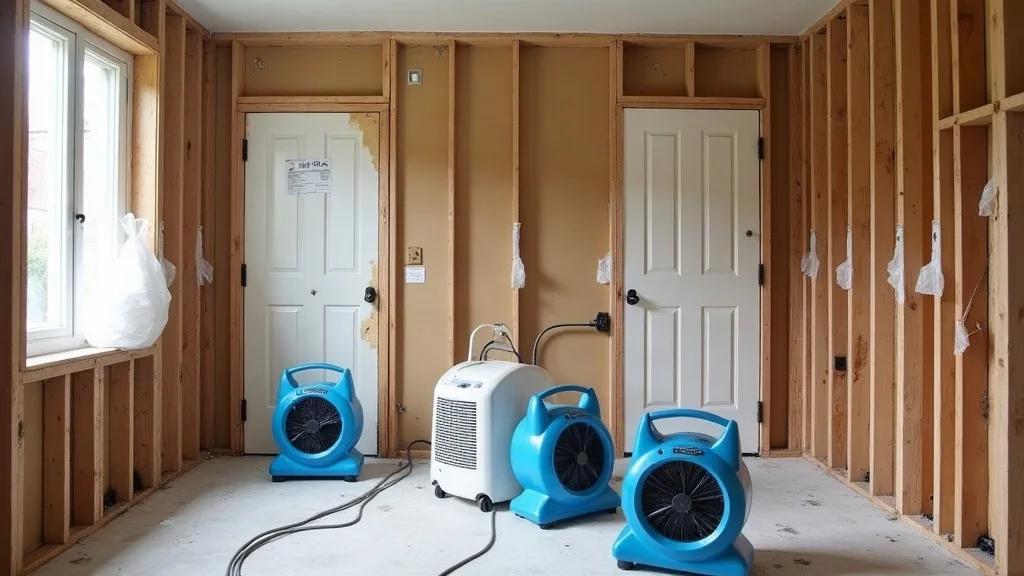
Materials hold water long after a surface feels dry — insulation, wall cavities, the underside of subfloors, the void behind a base cabinet. Drying equipment placed on the basis of what is visibly wet routinely misses those, and moisture readings are how they are found rather than assumed.
Speed matters more here than in a dry climate. Ambient humidity is already high, which means materials dry slower and the window before growth begins is shorter.
The insurance side is a separate discipline from the drying. Documenting the loss properly, at the time, with readings and photographs, is what makes the difference to a claim — and it cannot be reconstructed afterwards.
Serving Charleston, Mount Pleasant, North Charleston, Summerville, Goose Creek, James Island, West Ashley, Isle of Palms, Moncks Corner, Hanahan, Ladson, Daniel Island, Johns Island, Park West, Seabrook Island, Kiawah Island, Edisto Island, Folly Beach, Ravenel, Rock Hill, Fort Mill, Tega Cay, Lake Wylie, Clover, York, Indian Land across the Charleston Lowcountry. Part of Southeastern Renovation.
Moisture readings, not touch. Wall cavities, insulation and subfloors hold water long after a surface feels dry, and equipment placed only where it looks wet routinely leaves those.
Readings are the only honest answer.
Faster here than in a dry climate, because the ambient humidity is already high and materials dry more slowly.
That is why the first day matters disproportionately.
That depends on cause and policy and is not something to be promised. What helps is documenting properly at the time — readings, photographs, scope — because that cannot be recreated later.