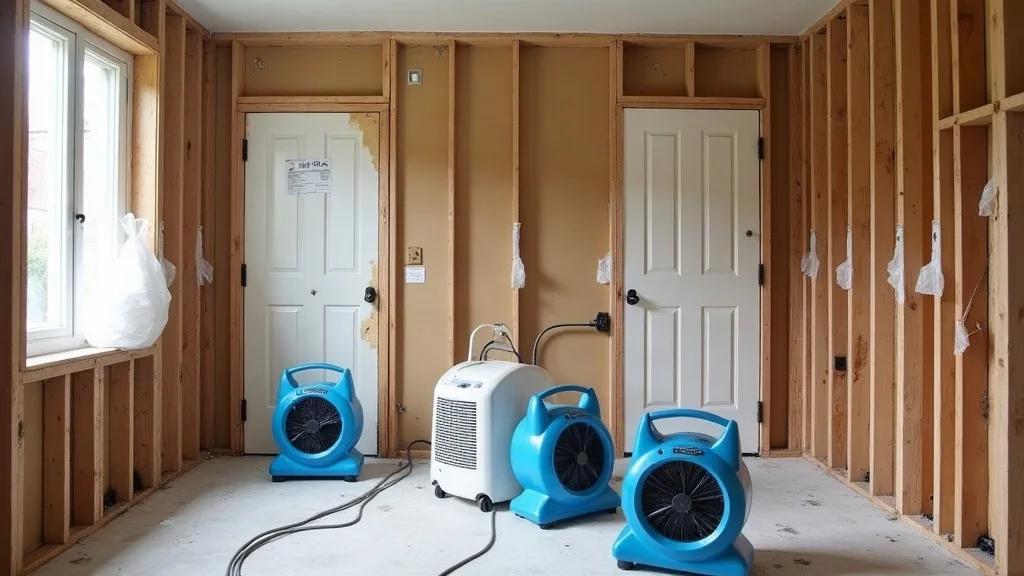
Restoration
Asbestos and Lead Paint
Identified and managed by us, abated by licensed specialists.
Identified and managed by us, abated by licensed specialists.
Quick answer: Asbestos and Lead Paint. Southeastern Renovation is a licensed South Carolina general contractor (CLG.127339) serving the Charleston Lowcountry and York County, SC. Work is coordinated by Southeastern Renovation as the general contractor. Licensed trade subcontractors handle work requiring their trade credentials; permit responsibilities depend on the project scope and jurisdiction. Call (843) 718-8177 for an estimate.
Age is the trigger. Textured ceilings, floor tiles and their adhesive, pipe lagging and some sheet materials of a certain era can contain asbestos; paint in older houses can contain lead. Neither is dangerous while undisturbed and intact, and both become a problem the moment somebody starts sanding or demolishing.
The rule we work to is simple: test before disturbing, not after. Testing is inexpensive and quick. Finding out afterwards is neither, and it turns a straightforward job into a contaminated site.
Abatement itself is separately licensed work in South Carolina, and it is not something we perform. What we do is identify it, stop, arrange a licensed abatement contractor, and pick the project back up on the other side — which is a normal part of renovating older houses here, not a disaster.
Serving Charleston, Mount Pleasant, North Charleston, Summerville, Goose Creek, James Island, West Ashley, Isle of Palms, Moncks Corner, Hanahan, Ladson, Daniel Island, Johns Island, Park West, Seabrook Island, Kiawah Island, Edisto Island, Folly Beach, Ravenel, Rock Hill, Fort Mill, Tega Cay, Lake Wylie, Clover, York, Indian Land across the Charleston Lowcountry. Part of Southeastern Renovation.
It depends on age and on materials, and it is a test rather than a judgement. Textured ceilings, older floor tiles and their adhesive, and pipe lagging are the usual candidates.
Undisturbed and intact, they are not the problem; sanding or demolishing them is.
No. Abatement is separately licensed work in South Carolina.
We identify it, stop, bring in a licensed abatement contractor, and resume afterwards — which is a routine part of renovating older houses here.
Same principle. Older paint can contain lead, it is stable while intact, and the risk comes from sanding and disturbance.
Work that disturbs it has rules attached, and testing first is what determines which rules apply.