Flooring
Hardwood Floor Refinishing in Charleston
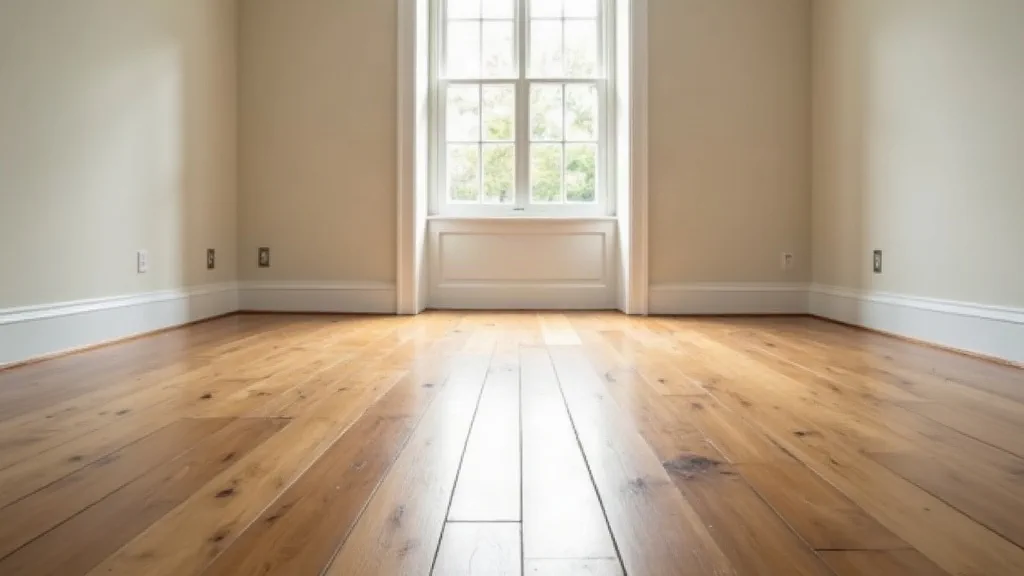
Sanding back and recoating a floor that is worn rather than failed.
Sanding back and recoating a floor that is worn rather than failed.
Quick answer: Hardwood Floor Refinishing in Charleston. Southeastern Renovation is a licensed South Carolina general contractor (CLG.127339) serving the Charleston Lowcountry and York County, SC. Work is coordinated by Southeastern Renovation as the general contractor. Licensed trade subcontractors handle work requiring their trade credentials; permit responsibilities depend on the project scope and jurisdiction. Call (843) 718-8177 for an estimate.
The decision comes down to thickness. A solid hardwood floor can be sanded several times over its life; an engineered floor has a wear layer and can be sanded as many times as that layer allows, which may be once or not at all. Anyone quoting a refinish without establishing which one you have is guessing.
Humidity is the local complication. Wood takes up and gives off moisture with the air around it, and finishing a floor while the house is at a different humidity than it will normally sit at is how gaps open up later. That is a scheduling question as much as a technical one.
Cupping — boards higher at the edges than the middle — is not a refinishing problem. It is a moisture problem from underneath, and sanding a cupped floor flat before the moisture is fixed removes thickness you cannot get back and leaves you with a crowned floor when it dries.
Serving Charleston, Mount Pleasant, North Charleston, Summerville, Goose Creek, James Island, West Ashley, Isle of Palms, Moncks Corner, Hanahan, Ladson, Daniel Island, Johns Island, Park West, Seabrook Island, Kiawah Island, Edisto Island, Folly Beach, Ravenel, Rock Hill, Fort Mill, Tega Cay, Lake Wylie, Clover, York, Indian Land across the Charleston Lowcountry. Part of Southeastern Renovation.
It depends on what is left to sand. A solid hardwood floor has thickness to give several times over; an engineered floor has a wear layer, and once that is gone sanding goes through it.
The answer is a measurement, not an opinion, and it should be made before a price is quoted.
Almost always moisture from below — a damp crawl space, a slab without a barrier, or a leak that was fixed after the floor had already taken up water.
Sanding it flat before that is dealt with removes thickness permanently and leaves the boards crowned when they dry out.
Not exactly, and anyone promising otherwise is overselling. Old finish ambers with age and new finish does not, so a refinished room next to an untouched one will read slightly different.
Doing connected areas together avoids the line.