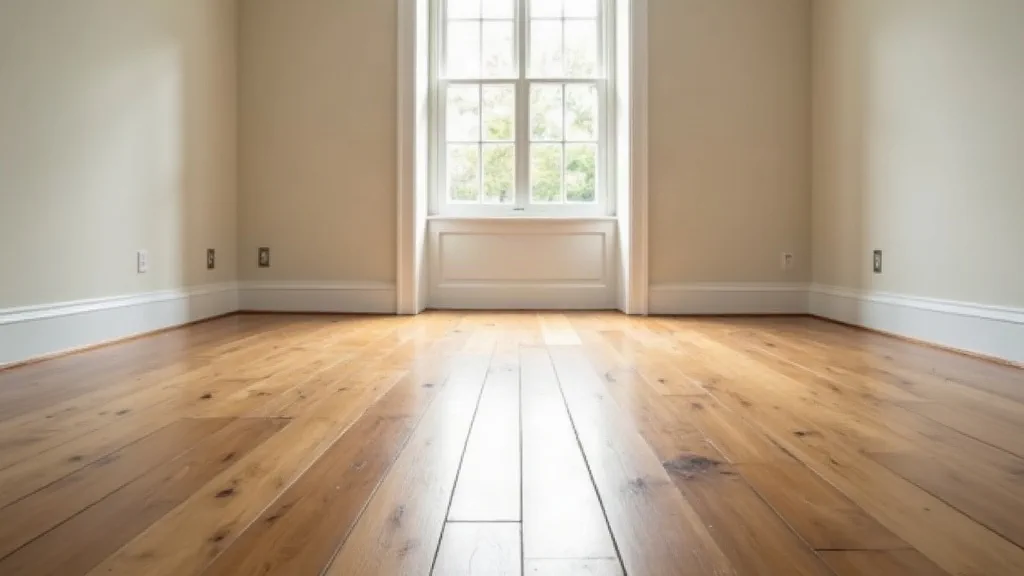
Flooring
Laminate Flooring
A photographic surface on a dense core — priced accordingly.
A photographic surface on a dense core — priced accordingly.
Quick answer: Laminate Flooring. Southeastern Renovation is a licensed South Carolina general contractor (CLG.127339) serving the Charleston Lowcountry and York County, SC. Work is coordinated by Southeastern Renovation as the general contractor. Licensed trade subcontractors handle work requiring their trade credentials; permit responsibilities depend on the project scope and jurisdiction. Call (843) 718-8177 for an estimate.
The core is the vulnerability. Where LVP shrugs off standing water, laminate can swell at the edges if water gets into a seam and stays there, and swelling does not reverse. In a bathroom or a laundry it is the wrong choice; in a bedroom or a hallway it can be a good one.
What it does well is wear and price. The wear layer on a decent laminate is genuinely hard, and for a room that takes traffic without taking water it is often better value than the alternatives.
It floats, so the same rule as LVP applies: it follows the subfloor. Flat first.
Serving Charleston, Mount Pleasant, North Charleston, Summerville, Goose Creek, James Island, West Ashley, Isle of Palms, Moncks Corner, Hanahan, Ladson, Daniel Island, Johns Island, Park West, Seabrook Island, Kiawah Island, Edisto Island, Folly Beach, Ravenel, Rock Hill, Fort Mill, Tega Cay, Lake Wylie, Clover, York, Indian Land across the Charleston Lowcountry. Part of Southeastern Renovation.
Where water is plausible — bathrooms, laundries, kitchens, anywhere on a slab that has read damp — LVP.
Where it is not, laminate is harder wearing than people expect and usually costs less.
A spill wiped up is fine. Water sitting in a seam is not: the core swells at the edges and does not go back.
That is the single thing that decides where it should and should not go.
Often yes, if the tile is sound and flat and the height change at doorways works. Loose or lipped tile has to be dealt with first, because a floating floor will telegraph both.