Insulation
Spray Foam Insulation
Air sealing and insulating in one, which is the point of it.
Air sealing and insulating in one, which is the point of it.
Quick answer: Spray Foam Insulation. Southeastern Renovation is a licensed South Carolina general contractor (CLG.127339) serving the Charleston Lowcountry and York County, SC. Work is coordinated by Southeastern Renovation as the general contractor. Licensed trade subcontractors handle work requiring their trade credentials; permit responsibilities depend on the project scope and jurisdiction. Call (843) 718-8177 for an estimate.
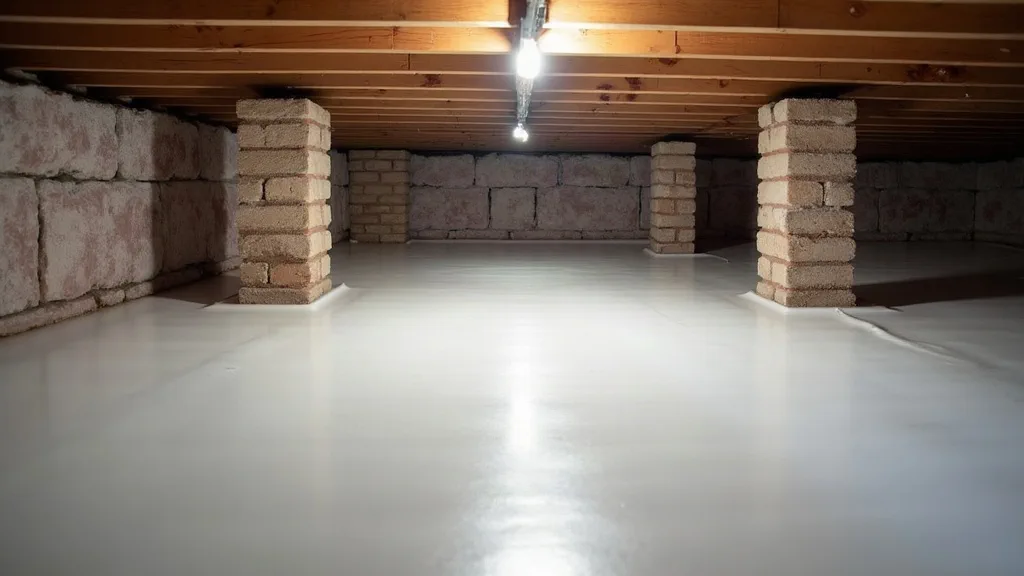
Fibrous insulation slows heat but does very little to stop air movement, and air movement is how humidity gets into a building. Closed-cell foam seals as it insulates, which is why it is used in crawl spaces and rim joists where moving humid air is the actual enemy.
Open-cell and closed-cell are different products for different jobs. Closed-cell is denser, higher R per inch and acts as a vapour retarder; open-cell is cheaper, lighter and does not. Using the wrong one against an exterior surface in this climate can trap moisture rather than exclude it.
It changes how a house breathes. Sealing a house properly can mean it needs deliberate ventilation where it previously leaked enough to get away without, and that belongs in the plan rather than being discovered afterwards.
Serving Charleston, Mount Pleasant, North Charleston, Summerville, Goose Creek, James Island, West Ashley, Isle of Palms, Moncks Corner, Hanahan, Ladson, Daniel Island, Johns Island, Park West, Seabrook Island, Kiawah Island, Edisto Island, Folly Beach, Ravenel, Rock Hill, Fort Mill, Tega Cay, Lake Wylie, Clover, York, Indian Land across the Charleston Lowcountry. Part of Southeastern Renovation.
They are different products for different jobs. Closed-cell is denser, higher R per inch and acts as a vapour retarder, which is why it is used against exterior surfaces and in crawl spaces here.
Open-cell is cheaper and does not, and using it in the wrong place can trap moisture.
Where air movement is the problem — crawl spaces, rim joists, complicated roof lines — usually yes, because that is what it does that fibreglass does not.
In a simple attic it is a much closer call on cost.
Often yes, and it should be planned rather than discovered. A house that previously leaked enough to ventilate itself does not once it is sealed properly.