Drainage
Retaining Walls in Charleston, SC
Holding back soil, and letting the water through.
Holding back soil, and letting the water through.
Quick answer: A retaining wall fails from water more than soil: saturated soil is much heavier and pushes much harder, so the gravel backfill, drain pipe and weep holes are structural, not finishing details. Above a certain height a wall needs a permit and possibly engineering, and the threshold varies by jurisdiction. Southeastern Renovation builds retaining walls in the Charleston area as a licensed SC general contractor (CLG.127339). Call (843) 718-8177.
Saturated soil is dramatically heavier than dry soil, and the pressure it puts on a wall rises sharply as it wets. A wall designed for the dry weight of a bank and built without drainage is a wall being asked to do a different job every time it rains.
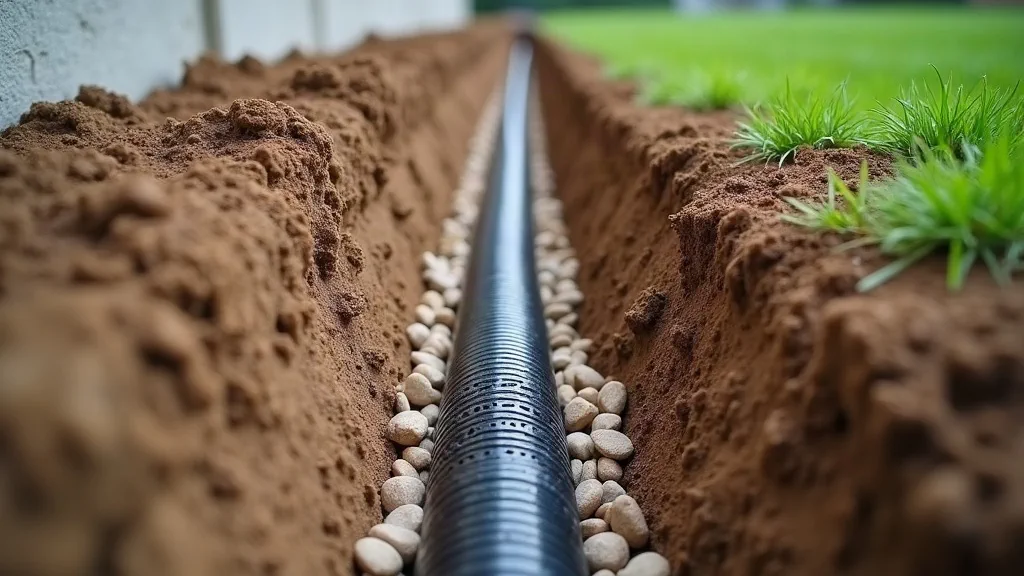
That is what the gravel backfill, the drainage pipe behind the wall and the weep holes through it are for. They are not finishing details; they are the structure.
Height changes everything. Above a certain height a retaining wall becomes an engineered structure with permitting attached, and that threshold varies by jurisdiction — worth establishing before a design is settled.
We take this work across greater Charleston, from Summerville, Goose Creek and North Charleston to Mount Pleasant, Daniel Island, West Ashley and the sea islands. More on our drainage services.
Water, nearly always. Saturated soil weighs far more and pushes far harder than dry soil, so a wall built without drainage behind it is being asked to hold a load it was never sized for.
The gravel and the drain pipe are structural, not optional.
Above a certain height, generally yes, and it can require engineering. The threshold varies between jurisdictions here, so it is worth establishing before the design is fixed rather than after.
Letting water out. A wall with no weeps and no drainage behind it becomes a dam, and the pressure behind a dam is what pushes walls over.